
About Bhutan
Nestled high in the eastern Himalayas, Bhutan is a captivating kingdom where ancient traditions and breathtaking natural beauty coexist in serene harmony. Known as the Land of the Thunder Dragon, this small Himalayan nation offers travelers a unique blend of vibrant culture, pristine landscapes, and spiritual tranquility. From bustling markets in Thimphu to the peaceful valleys of Punakha, Bhutan invites visitors to explore its rich heritage and stunning mountain vistas.
Why Visit Bhutan
Bhutan’s appeal lies in its unspoiled environment and commitment to preserving its cultural identity. The country measures success not by GDP but by Gross National Happiness, emphasizing well-being over material wealth. Visitors come here to experience a slower pace of life, away from the hustle of modern cities. The best time to visit is during the spring months of March to May, when rhododendrons bloom across the hillsides, or autumn from September to November, offering clear skies and pleasant temperatures around 15-20°C (59-68°F). Bhutan’s compact size means you can explore a variety of landscapes, from the subtropical south near Phuentsholing to the alpine heights around Paro.
What It’s Known For
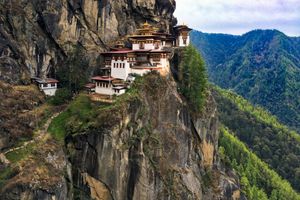
Bhutan is renowned for its striking dzongs—fortress-monasteries that serve as both administrative centers and spiritual hubs. The Paro Taktsang (Tiger’s Nest Monastery) is perhaps the most iconic, perched dramatically on a cliffside 900 meters above the Paro Valley floor. The capital, Thimphu, blends traditional Bhutanese architecture with modern amenities and hosts vibrant festivals such as the Thimphu Tshechu, where masked dances and colorful rituals come alive. Punakha, once the capital, is famous for its stunning Punakha Dzong located at the confluence of two rivers, surrounded by lush rice paddies.
Experiences and Activities
Bhutan offers a wealth of immersive experiences for travelers. Trekking enthusiasts can explore trails ranging from moderate day hikes to challenging multi-day treks like the Snowman Trek, one of the toughest in the world. For those seeking cultural immersion, attending a local festival provides insight into Bhutanese spirituality and community life. Culinary experiences include sampling ema datshi, the national dish made of chili peppers and cheese, or enjoying traditional butter tea. Visitors can also indulge in wellness with Bhutan’s growing range of hot stone baths and meditation retreats.
Getting There and Around
The main gateway to Bhutan is Paro International Airport, serviced by flights from major Indian cities like Delhi, Kolkata, and Guwahati, as well as from Bangkok and Kathmandu. For travelers coming from India, the border town of Jaigaon connects to Phuentsholing in southern Bhutan, offering an overland entry point. Within Bhutan, private cabs and guided tours are the preferred mode of transport, as public transport is limited and roads can be winding. TravMe’s packages typically include comfortable hotels, private drivers, and curated sightseeing to ensure a smooth and enriching journey through this Himalayan kingdom.
Highlights
Quick Facts
- Places to Visit
- 6
- Sightseeings
- 0
- Trip Type
- International