
About Ladakh
Ladakh, often called the "Land of High Passes," is a breathtaking region nestled in the northernmost part of India. Known for its stark, otherworldly landscapes and rich cultural tapestry, Ladakh offers travelers a unique blend of adventure, spirituality, and natural beauty. With its high-altitude deserts, ancient monasteries, and vibrant festivals, it’s a destination that captivates all who visit.
Why Visit Ladakh?
Ladakh’s dramatic geography is unlike anywhere else in India. Situated at altitudes ranging from 2,500 to over 5,000 meters, the region features craggy cliffs, vast plateaus, and deep river valleys carved by the Indus and Zanskar rivers. The best time to visit is from May to September when the weather is relatively mild, with daytime temperatures ranging from 15°C to 25°C. Winters are harsh and cold, often dipping below freezing, but they bring a serene, snow-covered landscape and unique festivals. The nearest airport is Kushok Bakula Rimpochee Airport in Leh, which is well connected to Delhi and other major cities. For those arriving by train, Jammu Tawi is the closest major railhead, followed by a scenic road journey.
Adventure and Outdoor Experiences
Ladakh is a haven for adventure enthusiasts. Trekking is the most popular activity, with options ranging from easy day hikes to challenging multi-day treks such as the Markha Valley or the Chadar Trek on the frozen Zanskar River in winter. Mountaineering and rock climbing opportunities abound for experienced climbers. White water rafting on the Indus and Zanskar rivers offers thrilling rapids, with the Zanskar route being more challenging and suited for seasoned rafters. For those seeking a less intense adventure, camel safaris in the Nubra Valley’s sand dunes provide a surreal experience in the cold desert.
Culture and Festivals
Ladakh’s culture is deeply influenced by Tibetan Buddhism, visible in its many monasteries such as Hemis, Thiksey, and Diskit. These monasteries are not only spiritual centers but also architectural marvels perched on hilltops. Ladakh hosts several vibrant festivals throughout the year. The Ladakh Festival in September is a highlight, showcasing traditional music, dance, archery contests, and the famous Ladakh Polo Cup. Winter brings unique monastic festivals where masked dances and rituals offer insight into the region’s spiritual heritage. Visitors can also explore local markets in Leh for handicrafts like Pashmina shawls, traditional jewelry, and thangka paintings.
Iconic Destinations: Leh, Nubra Valley, and Pangong Lake
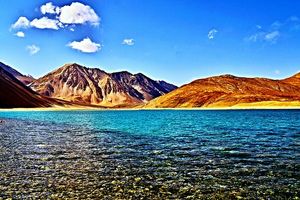
Leh, the region’s capital, is the gateway to Ladakh’s wonders. It combines traditional Tibetan culture with modern amenities and serves as a base for excursions. The Nubra Valley, accessible via the Khardung La Pass (one of the highest motorable roads in the world), is known for its sand dunes, double-humped Bactrian camels, and lush greenery. Pangong Lake, famous worldwide after its appearance in Bollywood films, is a mesmerizing high-altitude lake that changes color throughout the day. Visiting these places offers a comprehensive Ladakhi experience—spiritual, adventurous, and scenic.
Ladakh is truly a destination that leaves a lasting impression, whether you seek thrilling adventures, cultural immersion, or simply the peace of one of the world’s most stunning landscapes.
Highlights
Quick Facts
- Places to Visit
- 3
- Sightseeings
- 0
- Trip Type
- Within India